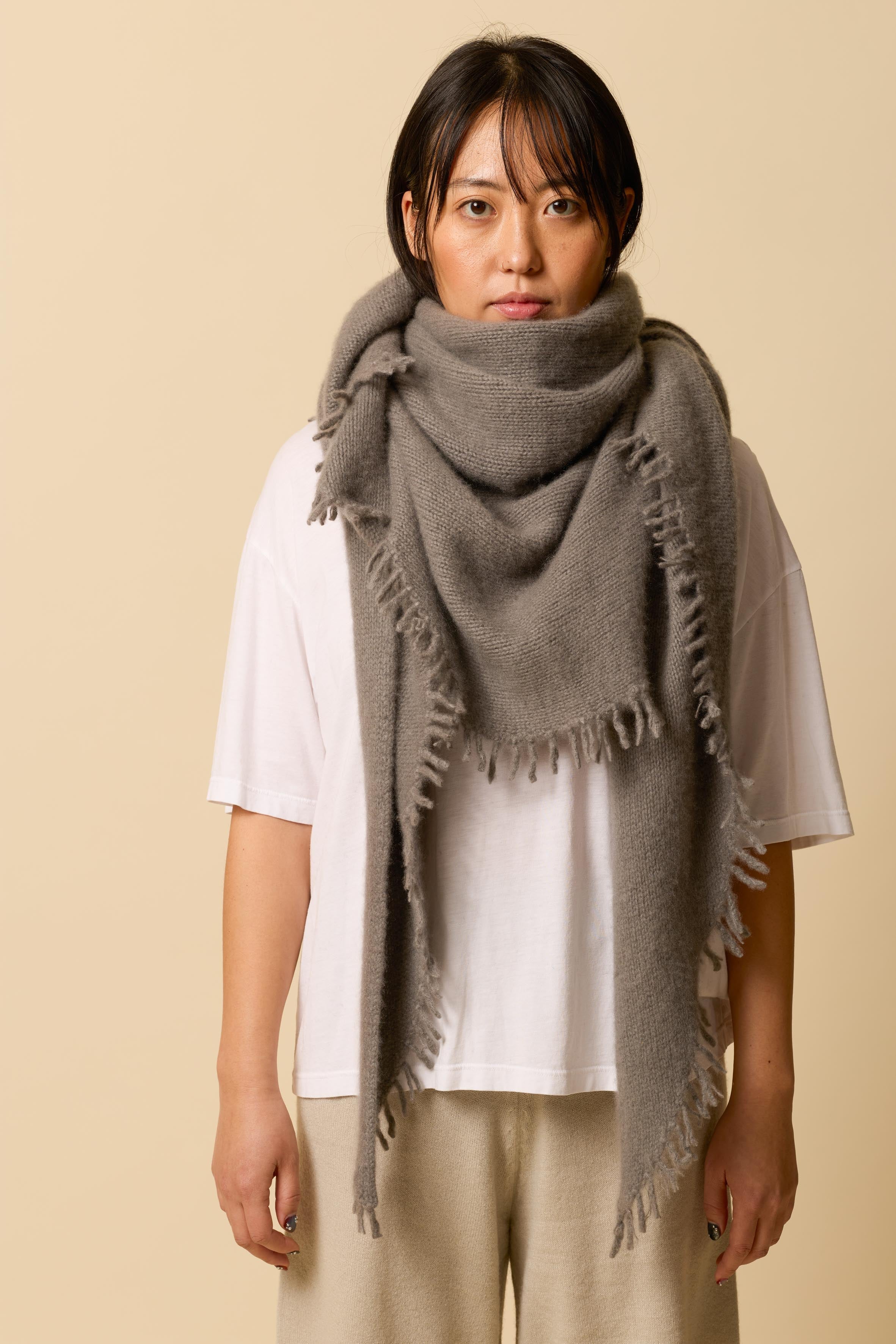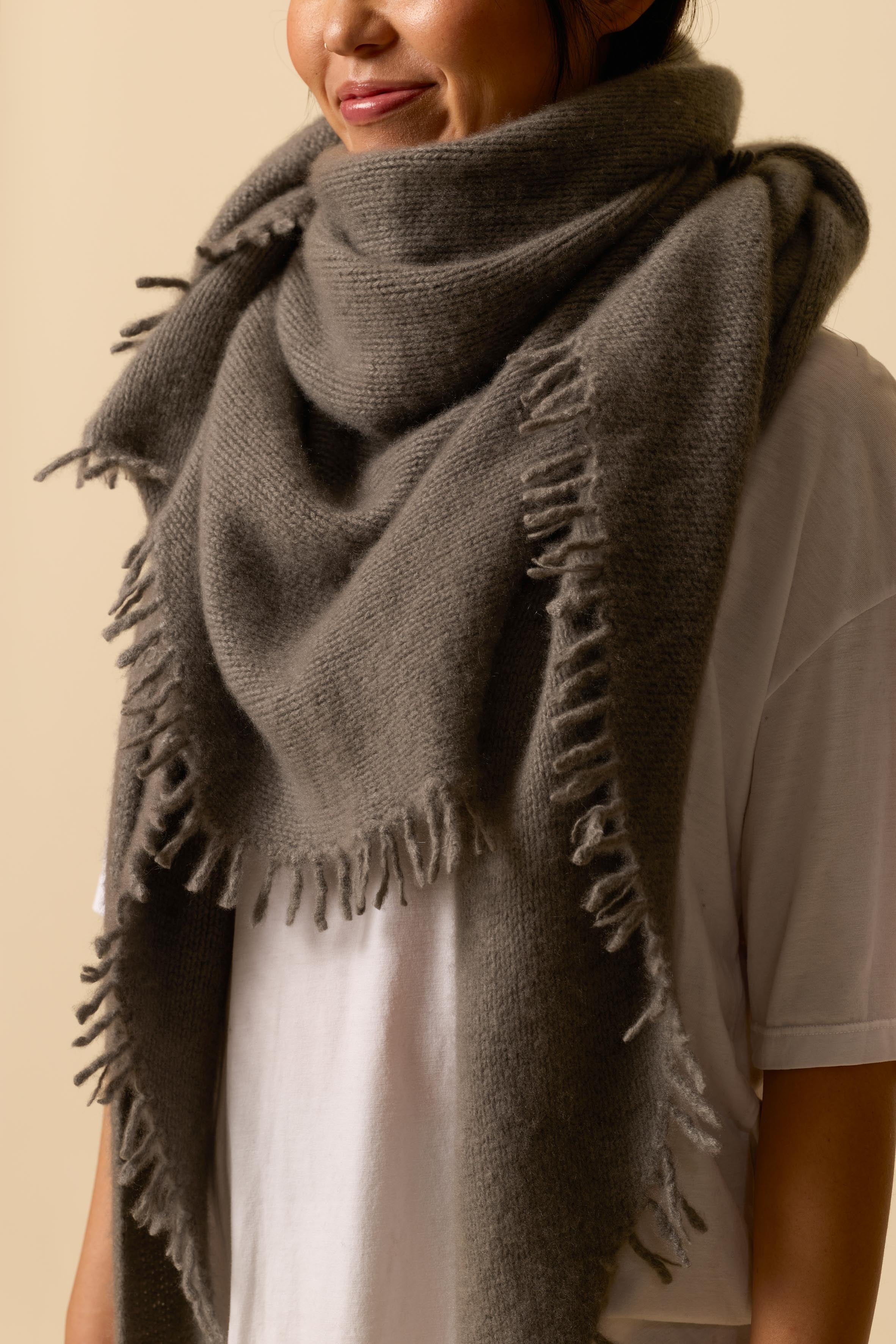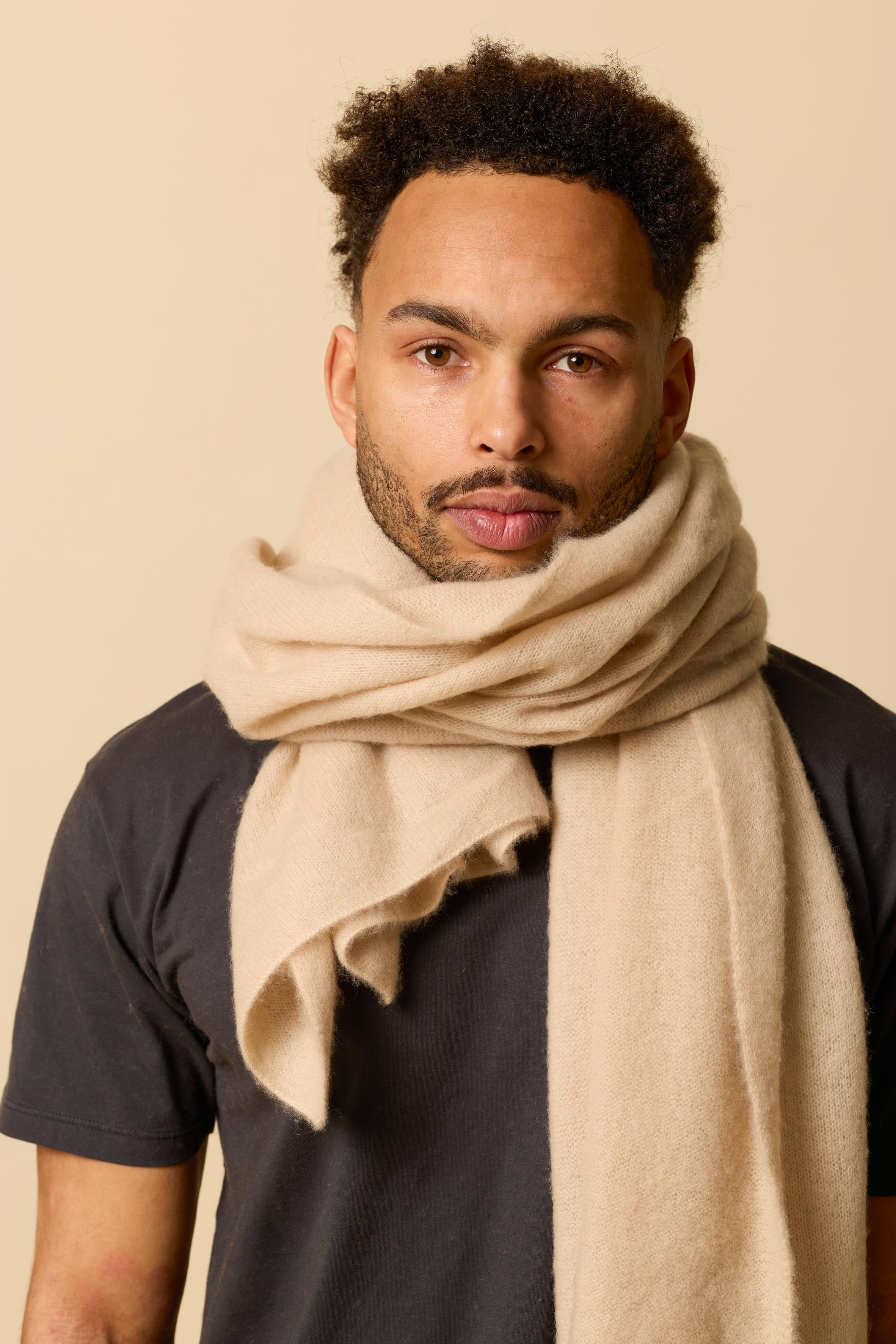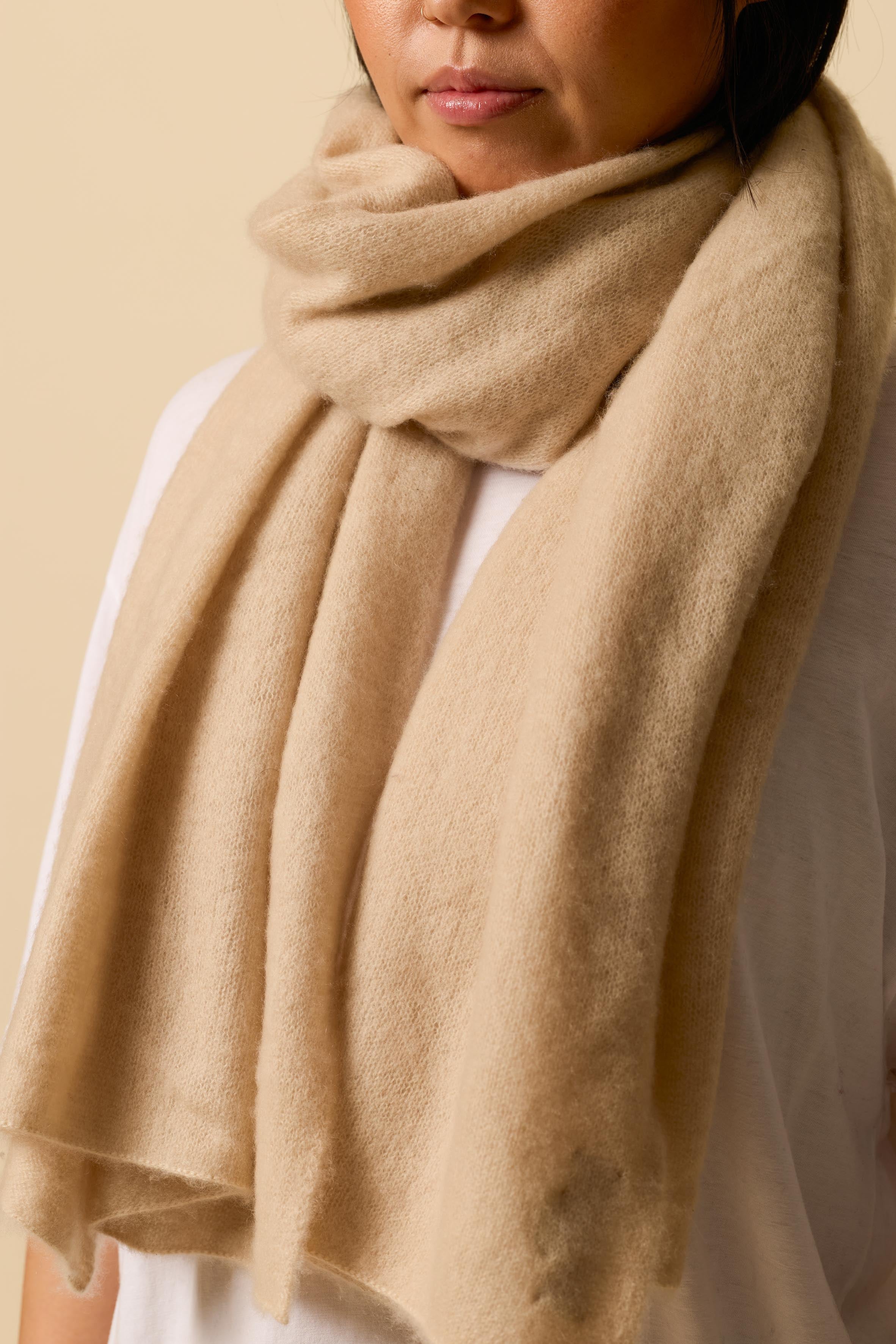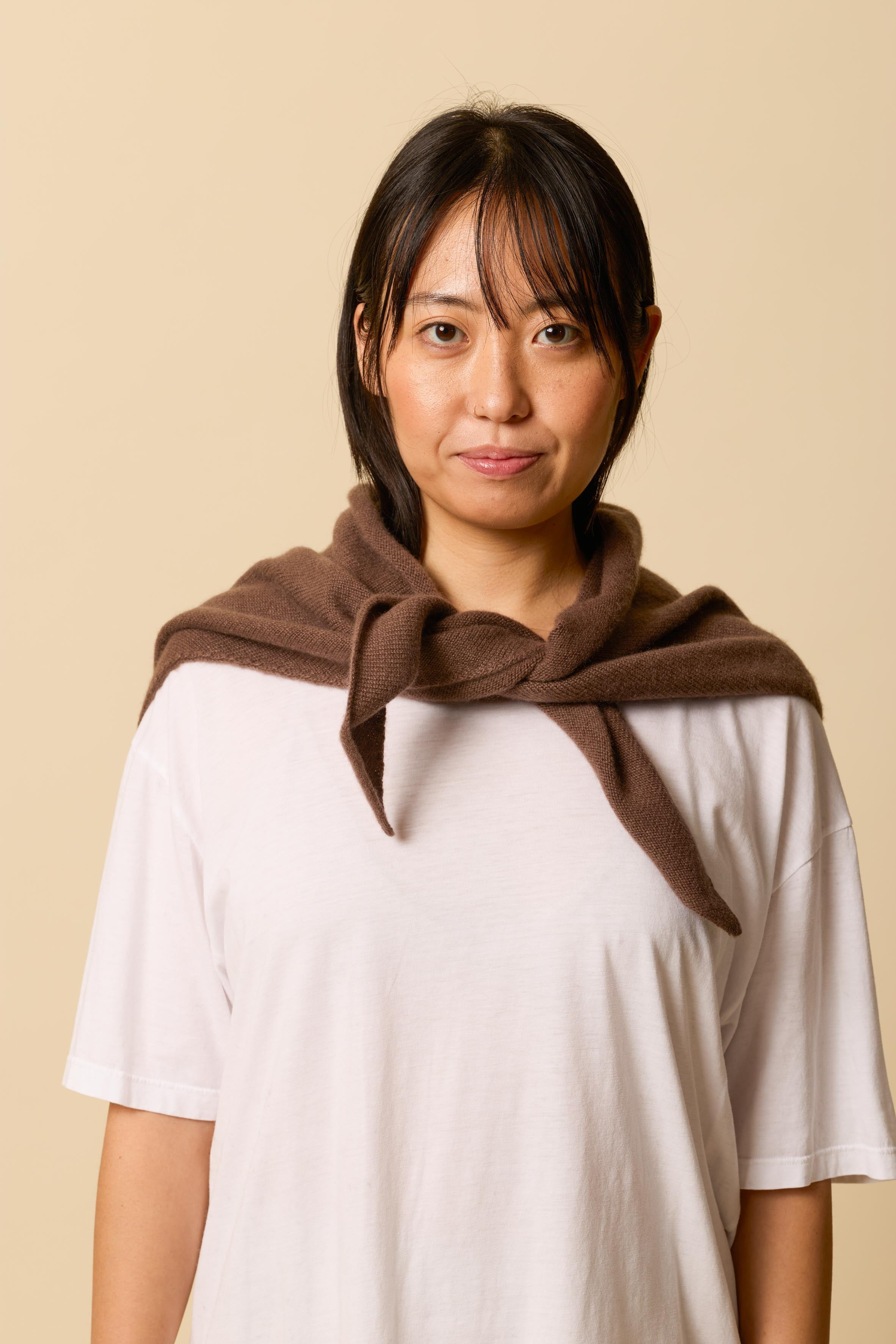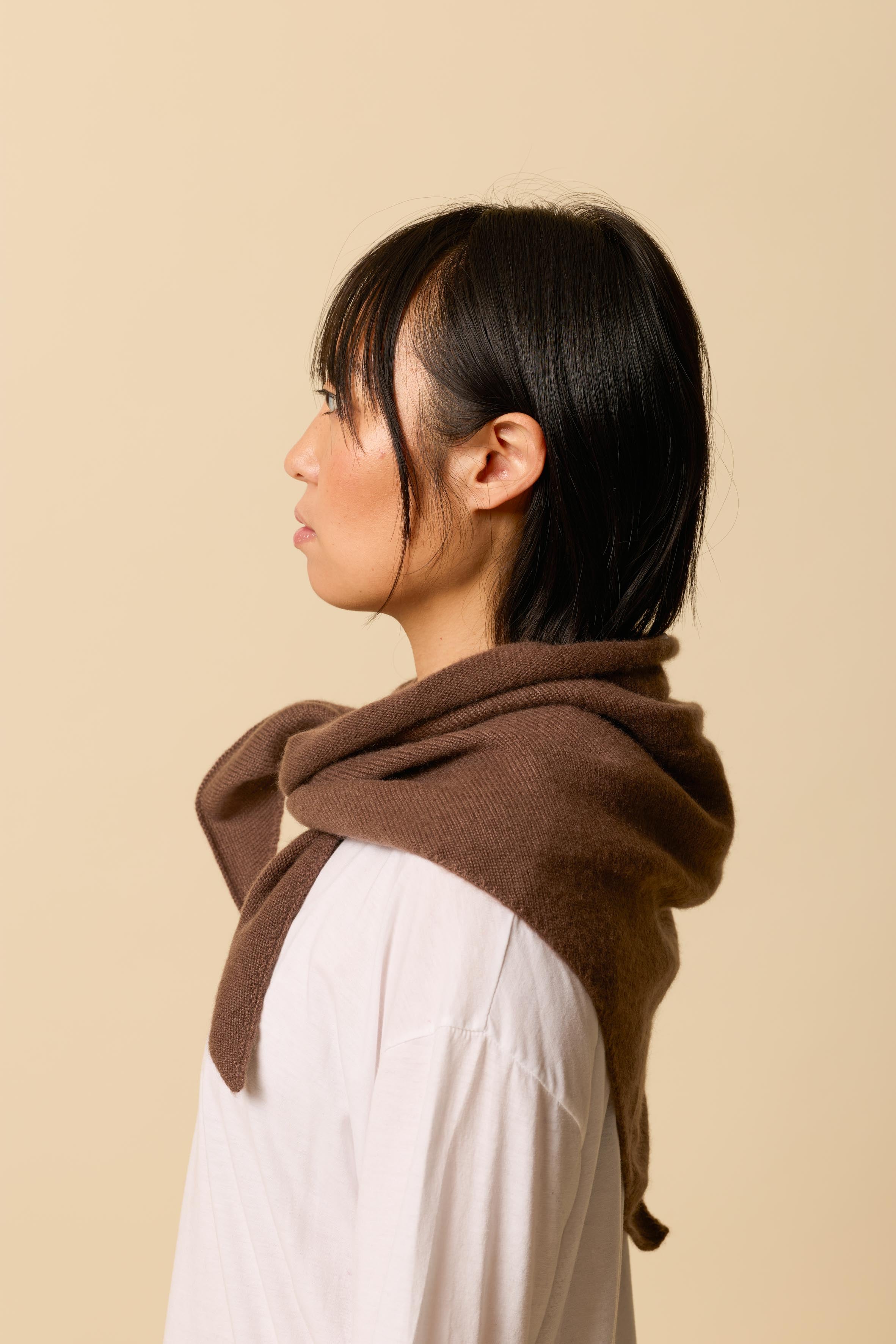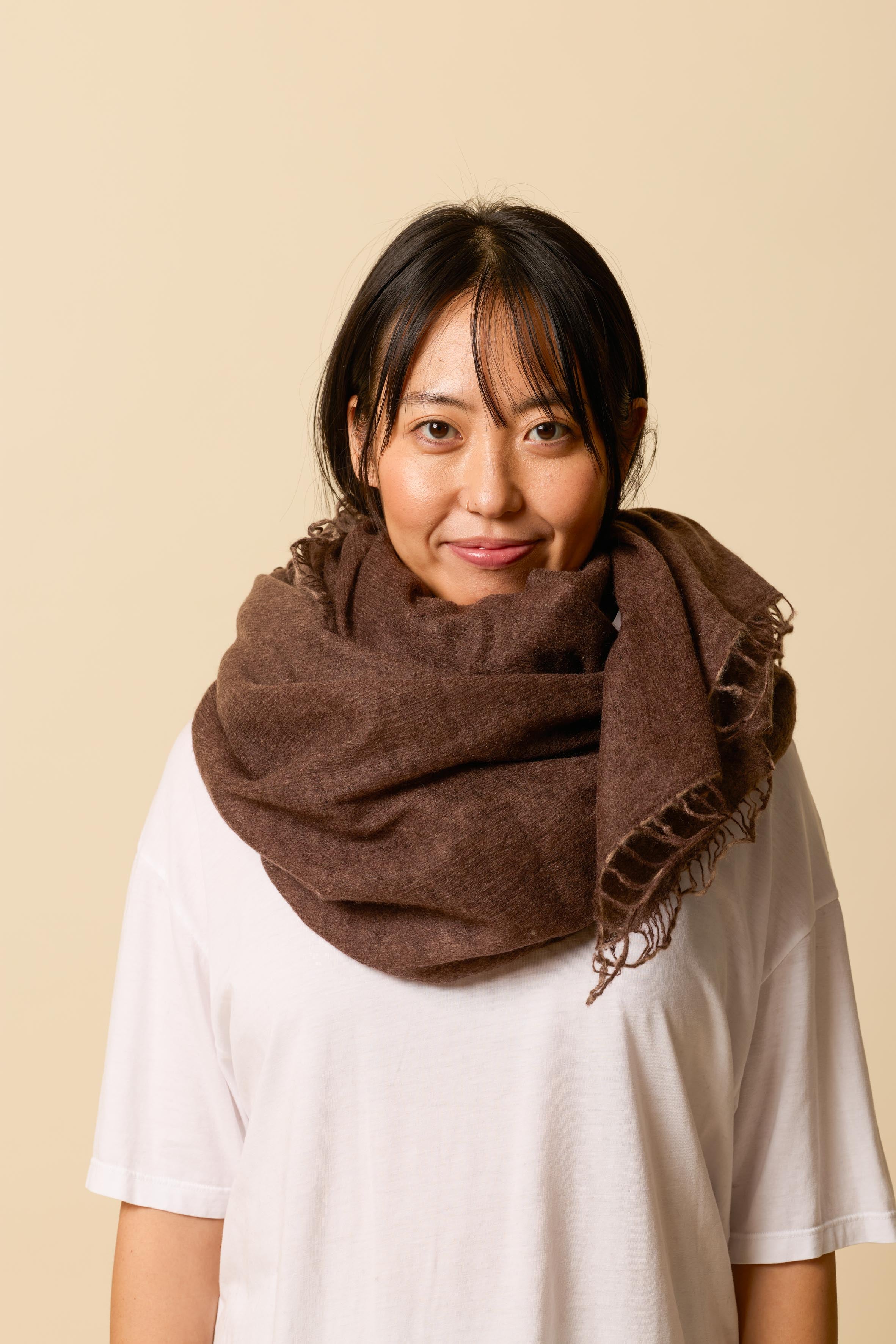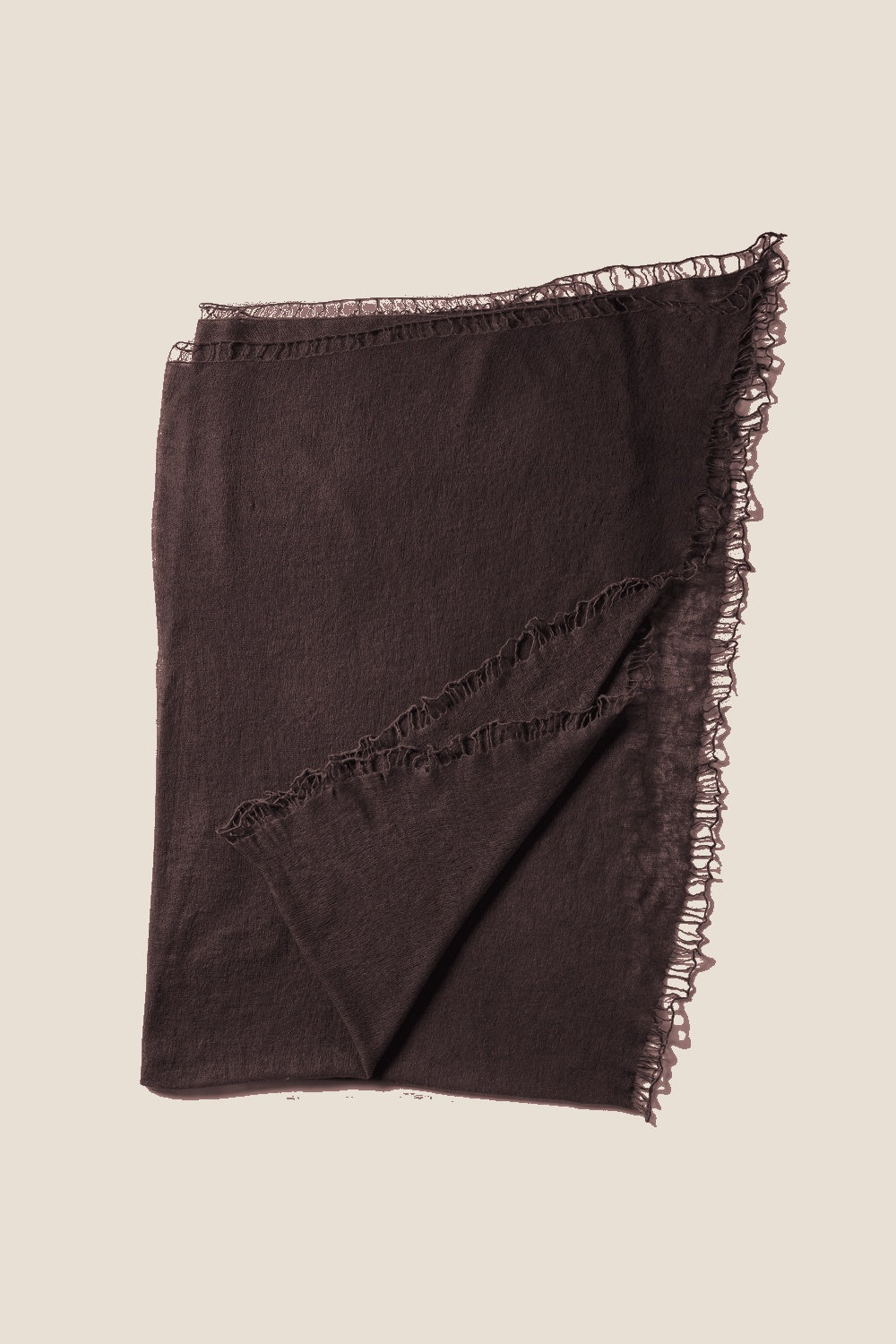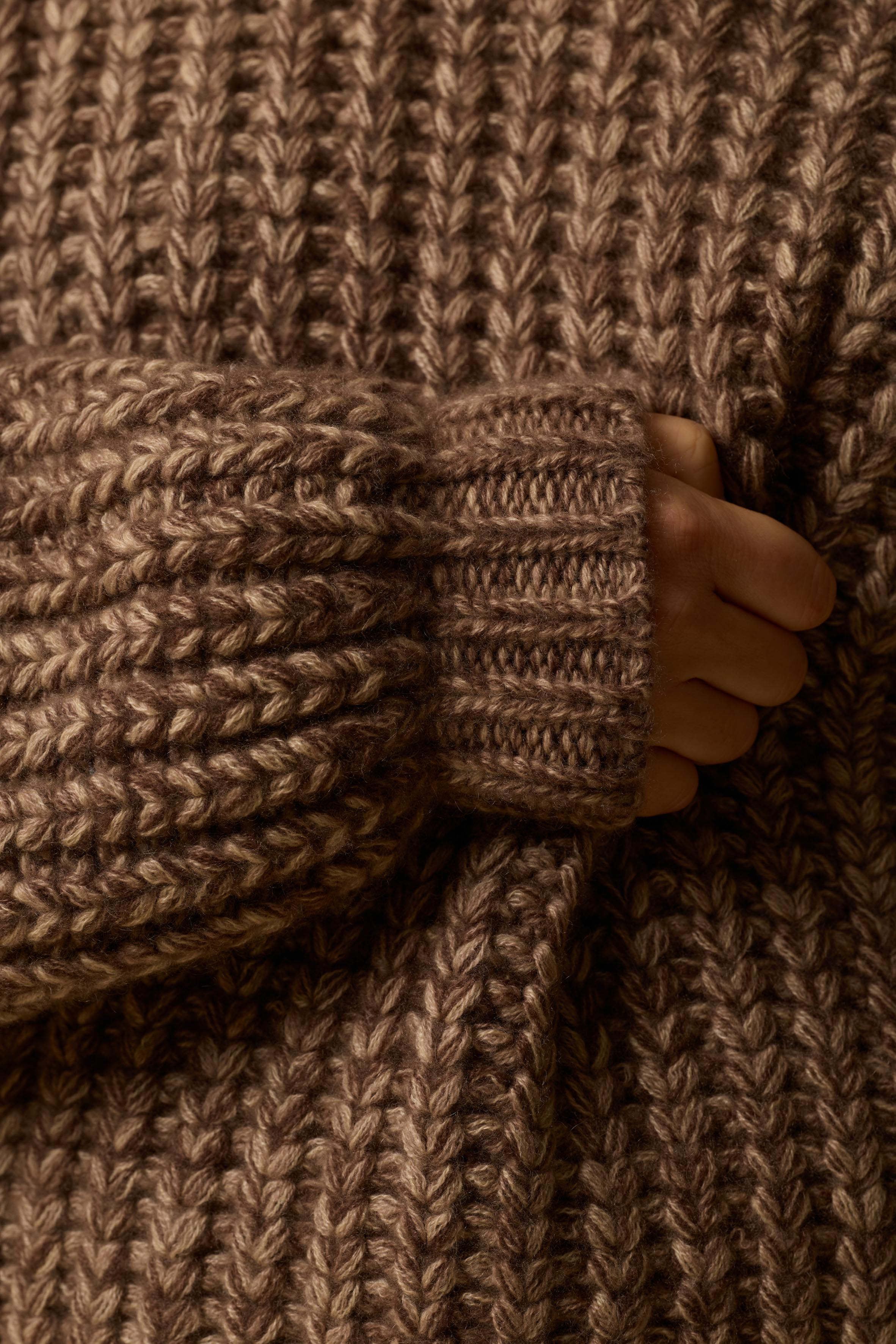
Cashmere or merino – this is the question you ask when you want to invest in clothing that genuinely keeps you warm and still feels good years later. The short answer first: for the same weight, cashmere is warmer, finer and softer – merino is more elastic, more hard-wearing and easier to care for. Which fibre is better for you therefore depends less on which one is “better” and more on what you want to wear it for. That is exactly what we look at here, honestly, criterion by criterion.
Cashmere vs. merino: the quick overview
Both are natural fibres of animal origin, both are breathable and temperature-regulating. The difference lies in the detail – in fibre thickness, weight and the way they feel to wear.
| Criterion | Cashmere | Merino |
|---|---|---|
| Warmth (per weight) | Very high – insulates more with less material | High – needs more bulk for the same warmth |
| Softness | Exceptionally soft, barely noticeable on the skin | Soft, though coarser qualities can prickle slightly |
| Weight | Extremely light | Light to medium |
| Durability | More delicate, wants care | Very hard-wearing and elastic |
| Price | Higher – refined luxury | Moderate to upper range |
Which is warmer: cashmere or merino?
If you are wondering which is warmer, cashmere or merino, the answer is clear: cashmere. The fibre of the cashmere goat is considerably finer and more hollow in structure, so it traps more air and, at the same weight, insulates noticeably better than sheep's wool. A thin cashmere sweater often keeps you as warm as a thicker merino one – only lighter and less bulky.
That does not mean merino will leave you cold. Merino keeps you reliably warm and has a strength cashmere does not match to the same degree: active temperature balancing. Merino absorbs moisture, wicks it away and regulates you as you move – ideal when you switch between cold and warm.
Softness and feel
This is where cashmere shows its luxury side. At a fibre thickness of around 14 to 16 microns, good cashmere is among the finest natural fibres there are – it feels almost weightless on the skin and does not prickle. That tender, stroke-soft feeling is exactly what makes the difference when you wear something directly against your skin.
Merino is soft too, especially in fine qualities. The properties of merino wool include good elasticity and a pleasant feel – but coarser merino types can be slightly noticeable. The properties of cashmere, by contrast, include that particularly gentle handle, which is hard to beat.
Weight and comfort
Cashmere is remarkably light. You get a lot of warmth for very little material weight – perfect for elegant layers that don't add bulk. A cashmere hat, for instance, keeps your head warm without you even noticing it is there.
Depending on the knit, merino weighs a little more, but often looks more structured and more substantial. For you that means: if you want feather-light elegance, the road leads to cashmere. If you prefer a sturdier, sportier feel, merino serves you well.
Care and durability
Here merino is ahead. The fibre is more elastic, creases less and takes daily wear in its stride. Merino is also naturally odour-resistant – you need to wash it less often.
Cashmere is finer, but also more delicate. With a little attention it will stay with you for a long time: wash by hand or on a wool cycle in cold water with a mild wool detergent, dry flat, and accept that it may pill slightly at first – that settles down. Treat your cashmere well and you will wear it for many years. And for both fibres the same applies: airing often replaces washing.
Sustainability and origin
Both fibres are renewable, biodegradable and long-lasting – provided the quality is right. Merino usually comes from merino sheep in Australia or New Zealand and is available in large quantities. Look for mulesing-free wool here.
Cashmere is naturally rarer: a cashmere goat yields only a small amount of the finest undercoat each year. That makes the fibre precious – and origin decisive. At WARM ME we work with 100 % Mongolian cashmere, handcrafted in Nepal. You can read exactly how that works in our handmade story. Sustainable luxury, for us, means: less, but genuinely good – pieces you wear for a long time instead of replacing often.
Price: why cashmere costs more
The price difference is real and has a simple reason: cashmere takes more effort to obtain and is considerably rarer than sheep's wool. Merino therefore offers a very good balance of quality and price. Cashmere is the investment in the finest – and in return you get the softest, warmest and lightest feel there is. Spread over many years, the premium often looks a lot smaller.
What is each one better for?
Where merino plays to its strengths
- Sport, hiking and active days with a lot of movement
- Everyday pieces that need to take a beating and stay easy to care for
- Layers that have to regulate moisture
Where cashmere shines
- Maximum warmth at minimum weight
- Softness directly on the skin – scarves, sweaters, hats
- Refined, timeless pieces that feel special
Conclusion: when cashmere, when merino?
Honestly: both are good decisions. Choose merino if you want a hard-wearing, easy-care and elastic fibre for active days. Choose cashmere if you want the warmest, lightest and softest option – a piece of conscious luxury that stays with you for years.
In short: merino for the move, cashmere for the comfort. Own both, and you can reach for the right one whatever the occasion.
If you want to feel the difference for yourself, have a look around our cashmere shop – from the hat to the sweater. Feel the difference, and you'll know why we at WARM ME chose cashmere.